Helping your child practice Quran at home
You don't need to read Arabic well to help. A few minutes at the same time every day does more than one long session at the weekend.
By Iqra at Home · 3-minute read · November 15, 2026
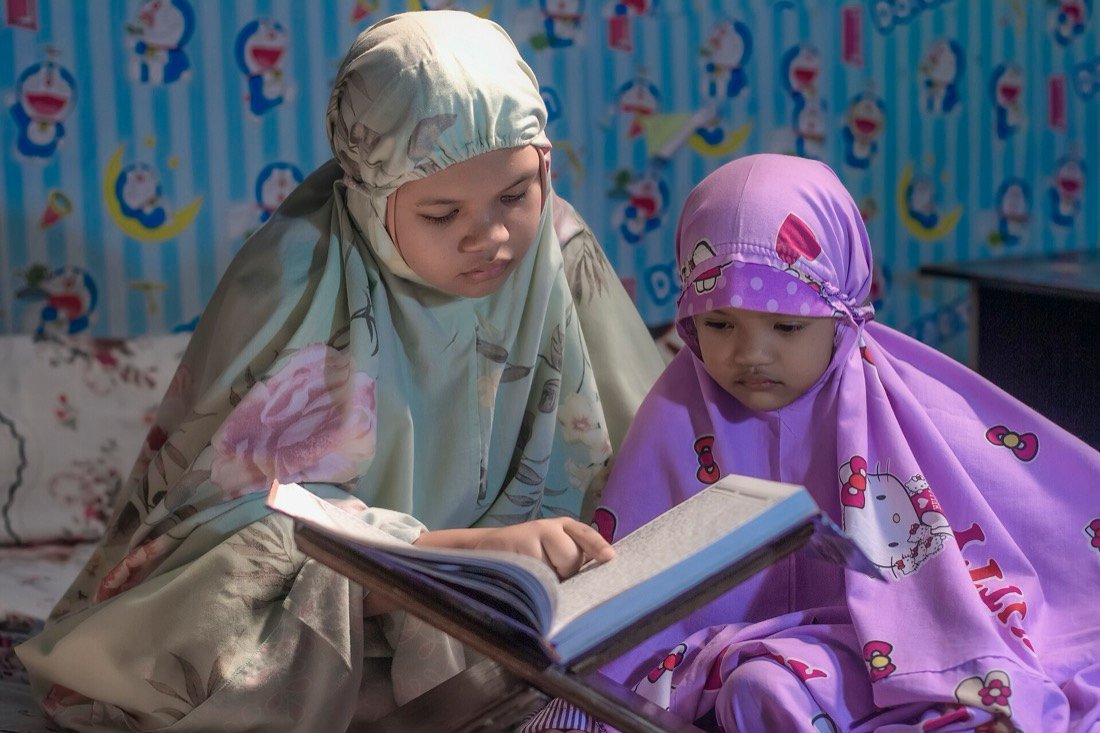
Freefirst week
- One teacher per familyBrothers and sisters learn with the same teacher.
- Background-checkedEvery teacher passes a check before they teach.
- Male or female teacherTell us your preference and we match it.
- Monday to Friday30-minute classes after school, $29 a month.

Why a little every day works
Reading the Quran is a skill, a bit like learning to swim. Children improve by doing a little often, not a lot once in a while. Ten minutes on a school night keeps the last lesson's letters fresh, so the next class can move forward instead of starting over.
It also builds a habit that lasts. When Quran time has a fixed place in the day, after Asr, before dinner or straight after homework, children stop asking whether they have to and simply sit down.
You don't have to be the teacher
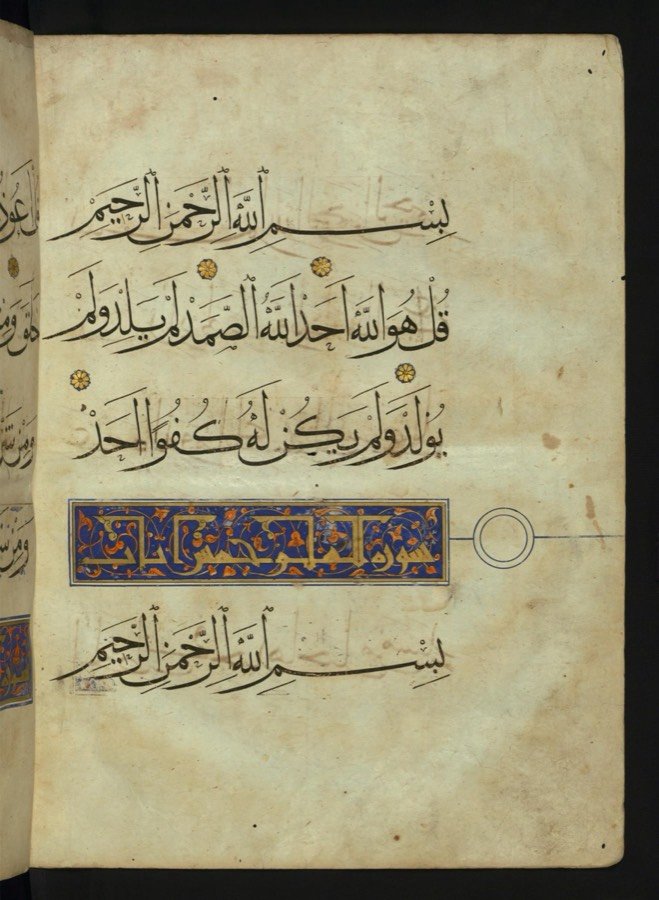
Many parents worry that their own reading isn't good enough to help. Your job at home isn't to teach new lessons. It's to make the time, sit nearby and listen. Correcting the reading is the teacher's job.
If you read Arabic, follow along with your finger and notice when a line gets skipped. If you don't yet, play a recording of the same page together, or ask your child to teach you what they learned today. Explaining a letter to a parent is one of the best ways to remember it.
When your child stumbles, remind them that the Prophet ﷺ said the one who reads the Quran with difficulty, struggling through it, has a double reward (reported by al-Bukhari and Muslim). Struggling is part of learning, not a sign of failing.
Let the teacher's note set the plan
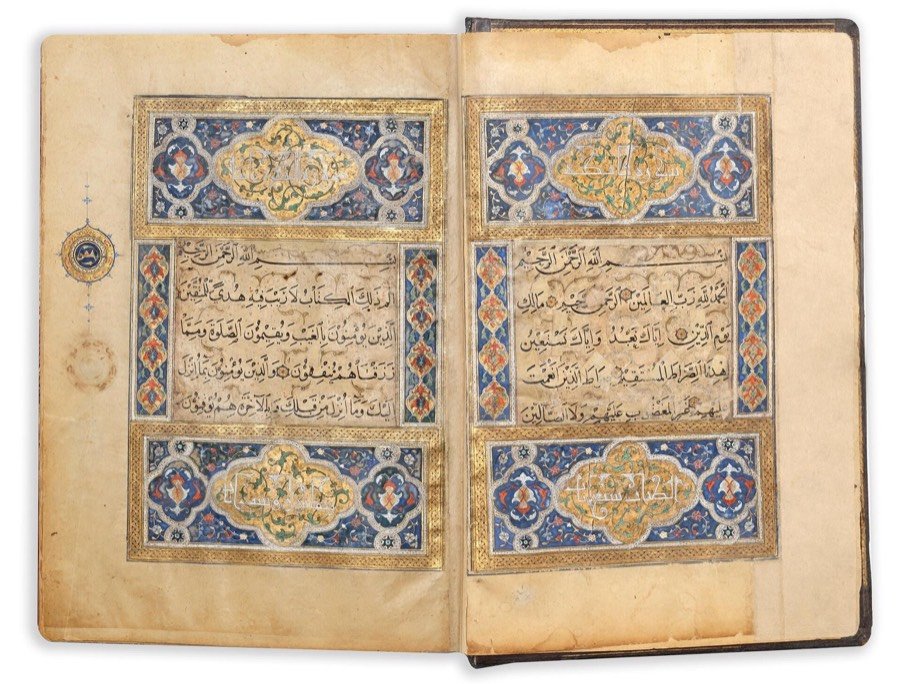
After every class at Iqra at Home, the teacher writes a short note for parents: what your child read, what went well and what to practice next. That note is your plan for the evening. Read it together and pick one thing to work on.
If something in the note isn't clear, ask us. Questions for the teacher come through Iqra at Home, and we pass the answer back to you.
Keep it short, warm and positive
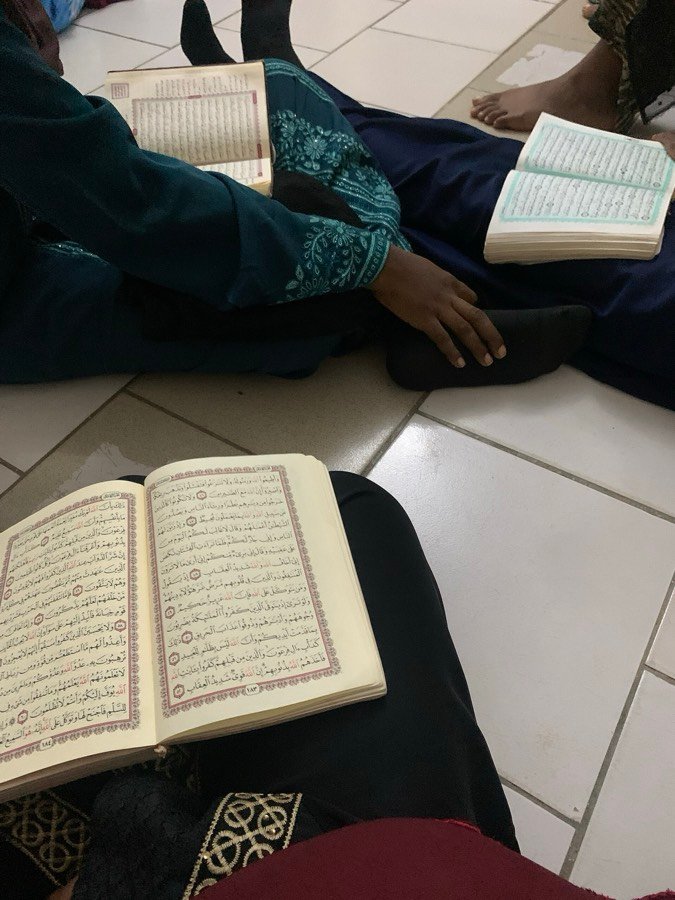
Young children do best with short sessions. Five to ten minutes is plenty for a five-year-old, while older children can manage fifteen or twenty. Stop while it's still going well, so tomorrow starts with a smile rather than a sigh.
Praise the effort more than the speed. "You kept going on a hard line" means more to a child than "good job". A star for each day, or reading a new surah to a grandparent on a video call, gives practice something to look forward to.
Try this at home
Four things to try this week
Pick one or two. Small changes stick better than big ones.
- Same time, same placeTie practice to something that already happens every day, like Asr or dinner.
- Start with revisionRead yesterday's page first. Something familiar builds confidence before anything new.
- Let them teach youAsk your child to show you a letter or a rule. Teaching it back makes it stick.
- End on a winFinish with something your child reads well, and tell them what they did right.
Questions
Questions about practice at home
How long should my child practice each day?
For a 4 to 6 year old, 5 to 10 minutes is enough. Children of 7 to 10 can do 10 to 15 minutes, and older children 20 minutes or more. Short and regular beats long and rare.
What if I can't read Arabic myself?
You can still help a great deal. Sit with your child, listen, play a recording of the same page and ask them to explain what they learned. The teacher corrects the reading in class.
My child doesn't want to practice. What can I do?
Make sessions shorter, not longer, and keep them at the same time each day. Start with something your child already reads well, praise the effort, and tell us, so the teacher can adjust the lessons.