What can a young child learn in 30 minutes a day?
More than you might expect, as long as the 30 minutes are one-on-one and happen on most days of the week.
By Iqra at Home · 2-minute read · November 15, 2026
Freefirst week
- One teacher per familyBrothers and sisters learn with the same teacher.
- Background-checkedEvery teacher passes a check before they teach.
- Male or female teacherTell us your preference and we match it.
- Monday to Friday30-minute classes after school, $29 a month.
Why 30 minutes suits young children
Children of 5 to 8 focus best in short bursts. A long lesson at the end of a school day usually ends in yawns and wriggles. Thirty minutes is long enough to revise, learn something new and practice it, and short enough that most young children stay with it to the end.
How often matters as much as how long. Five short classes a week keep each lesson fresh, so very little is forgotten in between and more of every class goes on new learning.
Inside a class
A typical 30-minute class
Revision, about 5 minutes
Reading back the last lesson, so the class starts with something familiar.
New lesson, about 10 minutes
A few new letters, a new rule or the next lines, explained slowly.
Practice, about 10 minutes
The child reads alone while the teacher listens and corrects each slip.
Memorizing, about 5 minutes
A few words of a short surah or a daily du'a, repeated until it flows.
A note home
After class, what was covered and what to practice before the next one.
What progress looks like
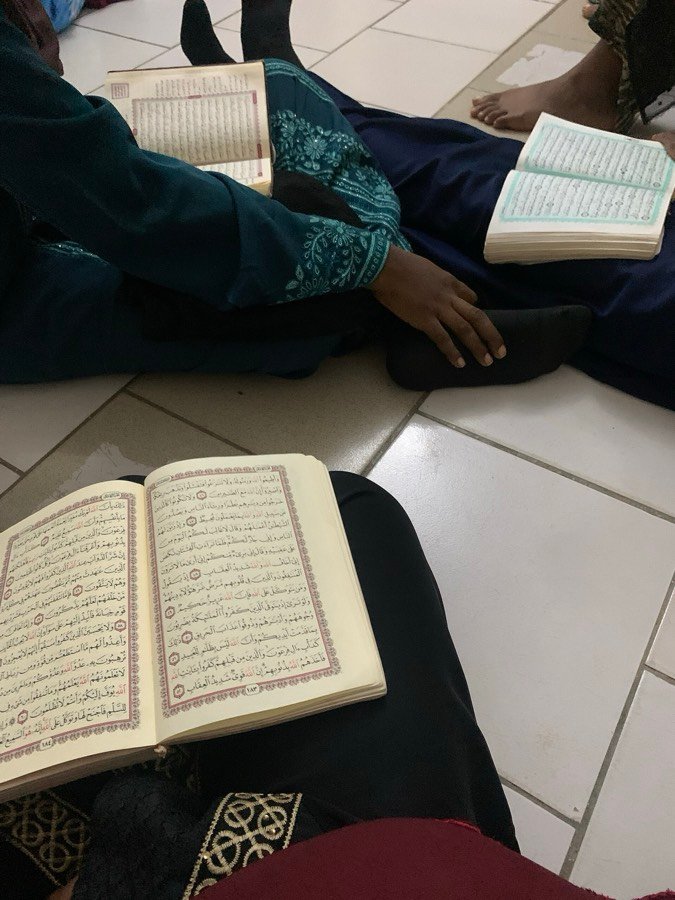
Every child is different, so treat these as rough guides rather than targets. A 5 or 6 year old working through the Noorani Qaida might learn a handful of new letters or one new rule in a week, and many children finish the Qaida in about 3 to 6 months.
A 7 or 8 year old who already reads might add a few lines of the Mushaf each day and move steadily through Juz Amma. Memorizing usually goes a few short ayat at a time, with plenty of revision to keep them. Learning Al-Ikhlas, Al-Falaq and An-Nas well, and reciting them correctly, is a lovely start.
How parents turn 30 minutes into progress
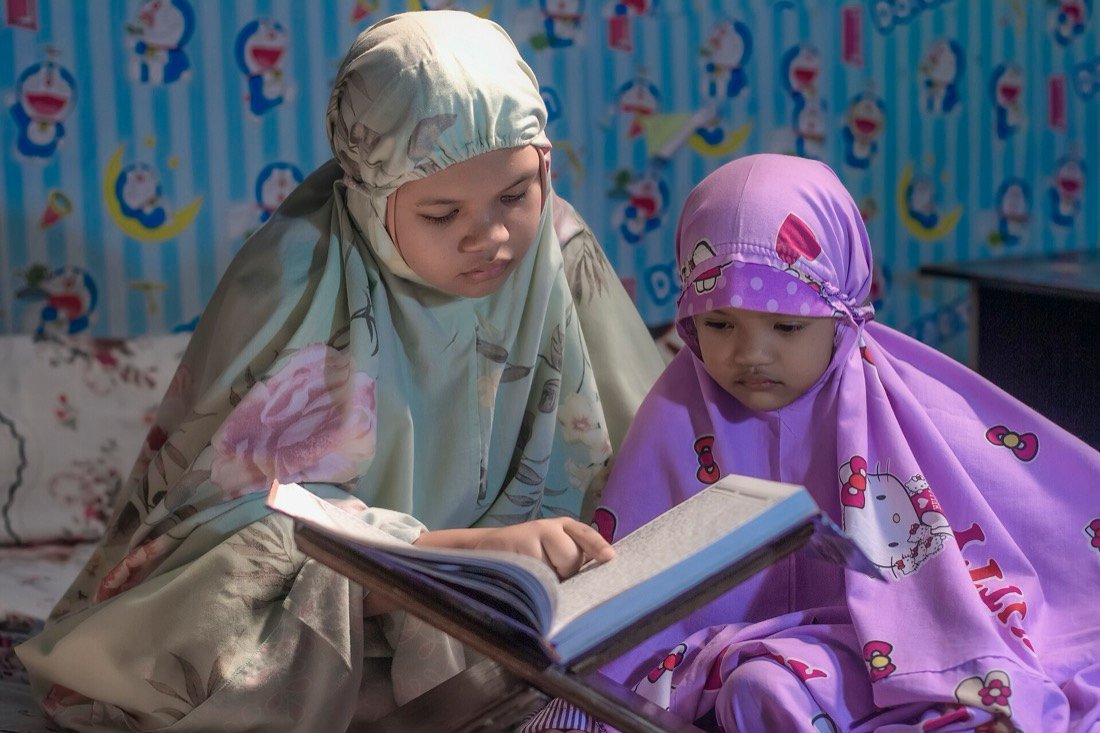
Keep class at the same time each day and stay within earshot while it runs; that's part of keeping online classes safe as well. Later in the day, spend five minutes on whatever the teacher's note asks your child to practice.
If you'd like ideas for that short home session, our article on helping your child practice at home has a few that work even if you don't read Arabic yourself.
Questions
Questions about short daily classes
Is 30 minutes enough for a young child?
For most 5 to 8 year olds, yes, especially when the class is one-on-one and happens several times a week. Longer lessons often lose a young child's attention.
Why five classes a week instead of one long class?
Children forget quickly between lessons. Short daily classes keep each lesson fresh, so less time goes on catching up and more on moving forward.
How will I know my child is progressing?
At Iqra at Home the teacher sends a note after every class, and your family page shows what your child has covered so far.